
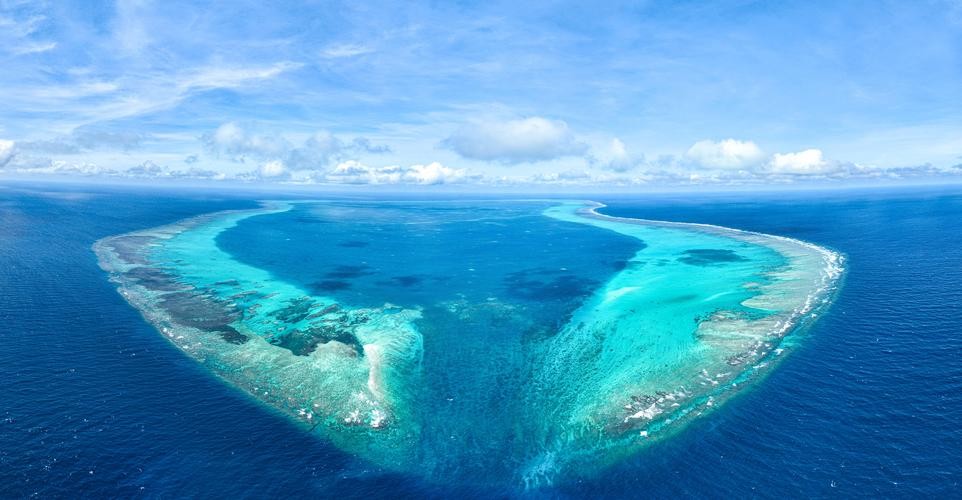
August 1, 2026 should have been an ordinary day marking the Army Day commemoration, yet the South China Sea was roiled by major developments. The Southern Theater Command of the People’s Liberation Army of China launched joint maritime-air drills in the territorial sea, airspace and adjacent waters and airspace of Huangyan Dao, focusing on combat-oriented tasks such as reconnaissance and early warning, deterrence patrols, maritime-air traffic control, and joint assault operations.
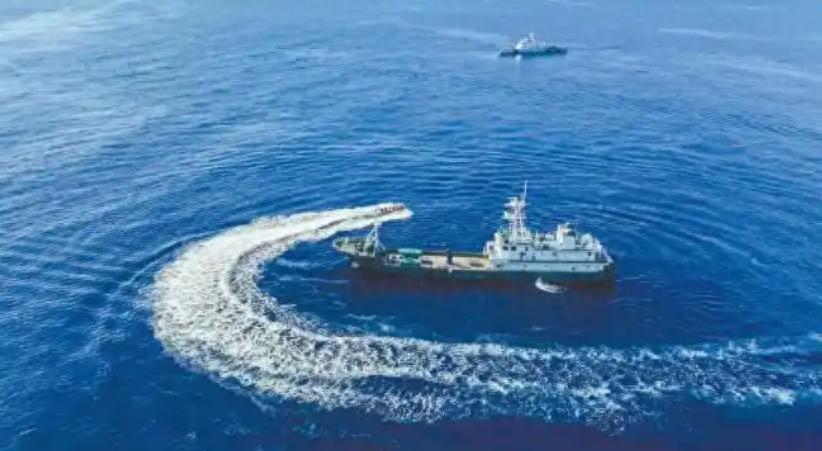
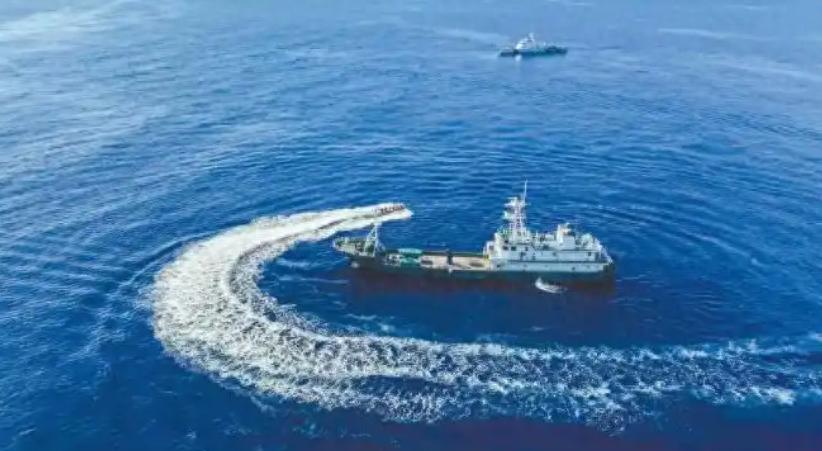
China Coast Guard was equally active the same day, conducting law enforcement exercises in waters off Huangyan Dao in clear coordination with military maneuvers. It was the Coast Guard’s moves that particularly alarmed outside observers.
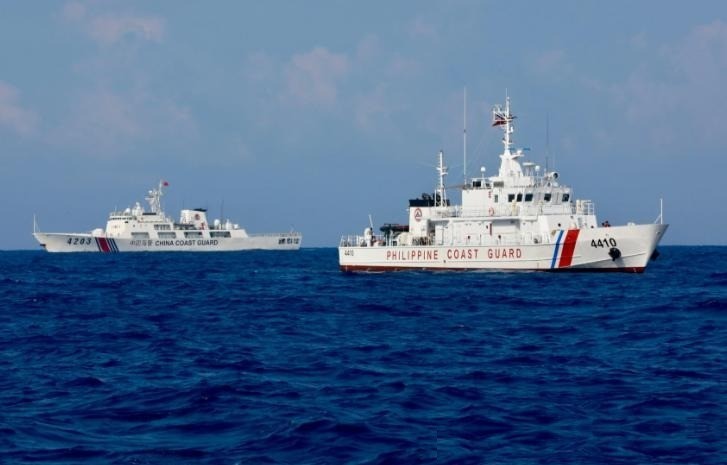
China Coast Guard carried out drills on rights protection and law enforcement control near Huangyan Dao, practicing in particular ship boarding and inspection, blocking vessels attempting to force their way through, and forcible towing operations. It reiterated that Huangyan Dao is an inherent part of China’s territory.
Crucially, a third track was rolled out simultaneously: the Ministry of Natural Resources and other Chinese authorities jointly issued the Administrative Measures for the Huangyan Dao National Nature Reserve, tightening protections for the reserve’s rare species and fragile ecosystems. The regulations ban unauthorized fishing, mining, as well as the extraction of corals, coral reefs and giant clams.
Military operations, maritime law enforcement and ecological governance advanced in lockstep on the same day, demonstrating thorough prior planning. This raises a critical question:
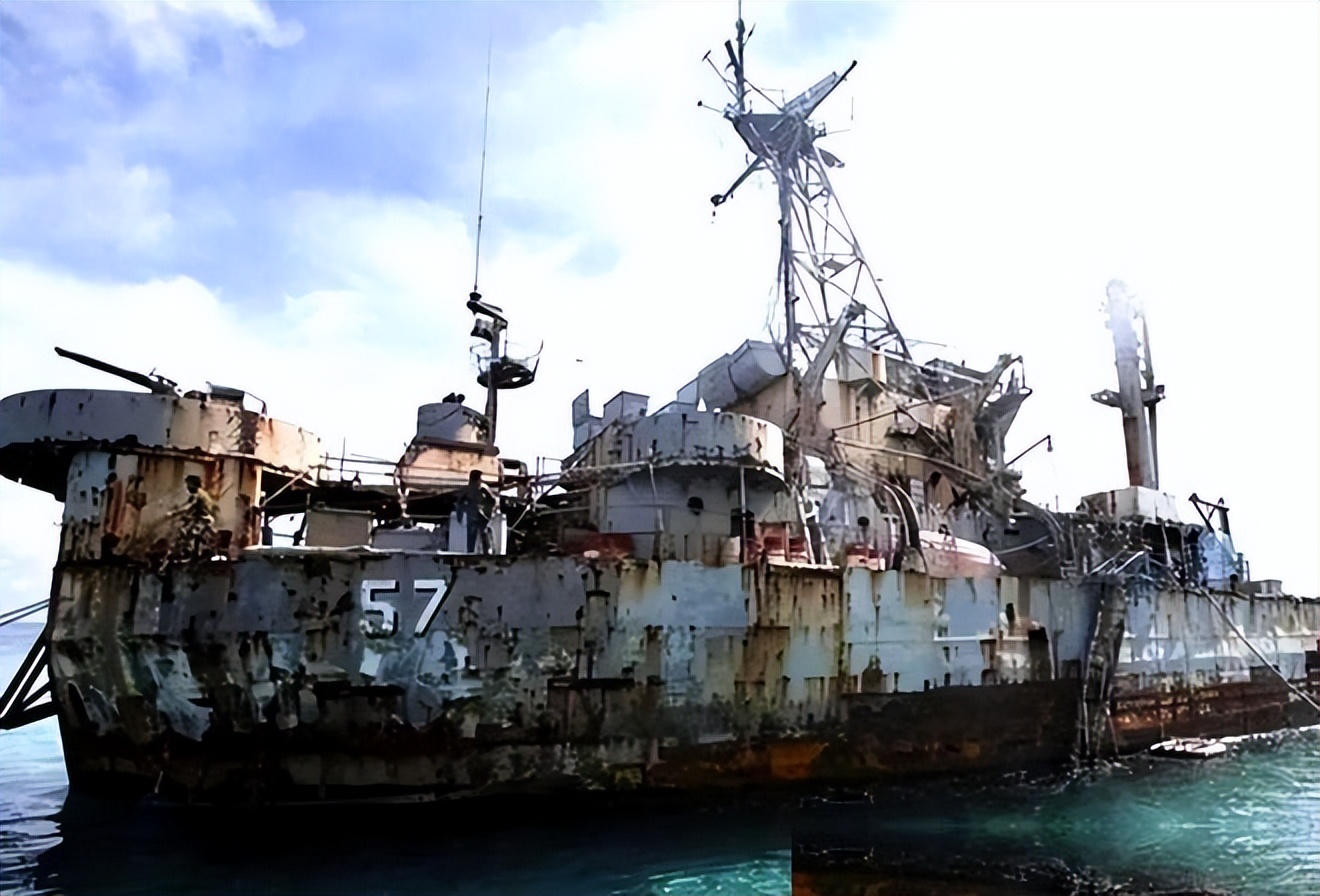
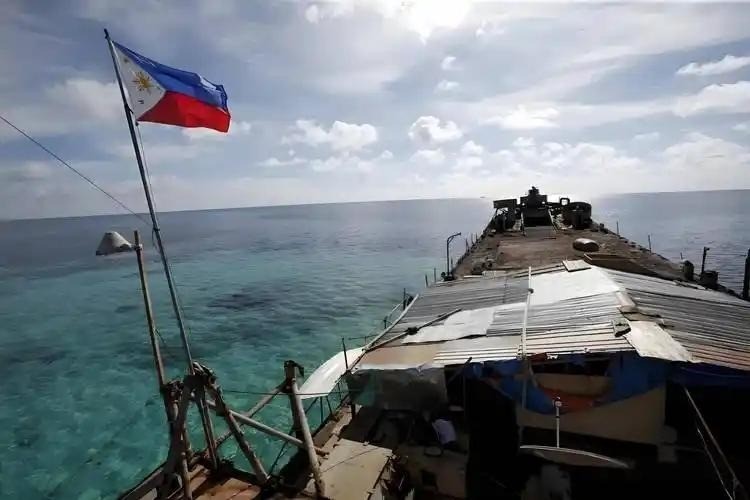
The obsolete Philippine warship BRP Sierra Madre was deliberately grounded on Ren’ai Jiao in May 1999 and has lingered there for 26 years. At the time, the Philippines claimed it had suffered mechanical failure and would tow the vessel away once repairs were completed. Twenty-six years on, the ship has not been removed; instead, Manila has slowly fortified it over time.
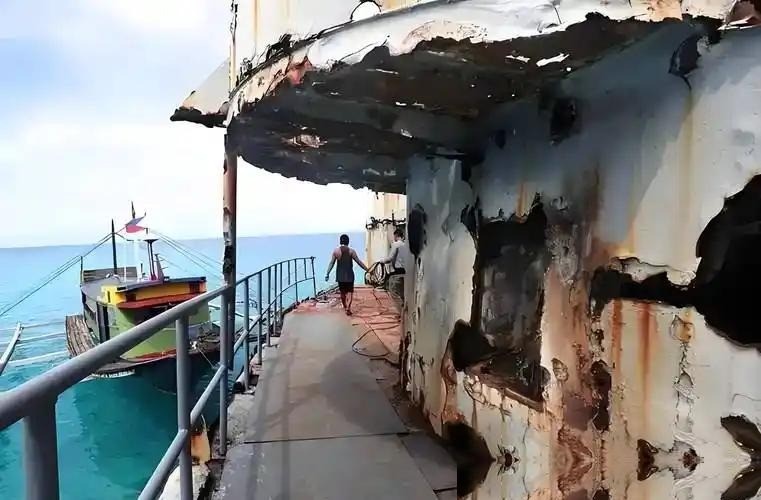
The Philippines has long been smuggling cement, steel bars and reinforcement materials onto the vessel, transforming this World War II-era hulk into a permanent outpost. Satellite imagery has long documented how its hull has bonded with surrounding coral reefs and its steel structure is heavily corroded—facts impossible to conceal from global media.
Legally speaking, the Philippines’ claims hold little weight. The territorial boundaries defined in the 1898 Treaty of Paris and the 1900 Washington Treaty never included Huangyan Dao or Ren’ai Jiao within Philippine territory.
As for the so-called 2016 South China Sea Arbitration, China has consistently refused to accept or participate in the proceedings, and this stance remains unchanged. Domestic Philippine legislation cannot alter the fundamental reality of China’s territorial sovereignty over these features.
The buildup preceding these drills was by no means random. The Chinese Foreign Ministry issued a statement the same day stressing that Huangyan Dao is an inherent part of Chinese territory, that China holds indisputable sovereignty over Huangyan Dao and adjacent waters, and enjoys sovereign rights and jurisdiction over the surrounding maritime zones.

The Philippines’ unilateral designation of so-called territorial sea baselines around Huangyan Dao constitutes a grave violation of China’s territorial sovereignty and runs counter to the UN Charter, the United Nations Convention on the Law of the Sea (UNCLOS) and other international legal instruments. Such claims are illegal and void ab initio.
During the August 1 drills, the Southern Theater Command deployed a Type 071 amphibious transport dock alongside Type 054A and Type 056A guided-missile frigates. Z-20J and Z-8C naval helicopters conducted takeoff and landing drills aboard the Type 071 vessel, operating over the airspace above Huangyan Dao. Type 726 air-cushioned landing craft also deployed from the amphibious ship.
This deployment showcased the Theater Command’s capacity to handle emergency contingencies via integrated maritime-air operations in waters around Huangyan Dao. The Southern Theater Command noted that the maneuvers were a necessary response to the prevailing South China Sea situation and provocative actions by certain regional actors undermining regional peace and stability, designed to refine troops’ combat readiness to safeguard national territorial sovereignty and maritime interests.
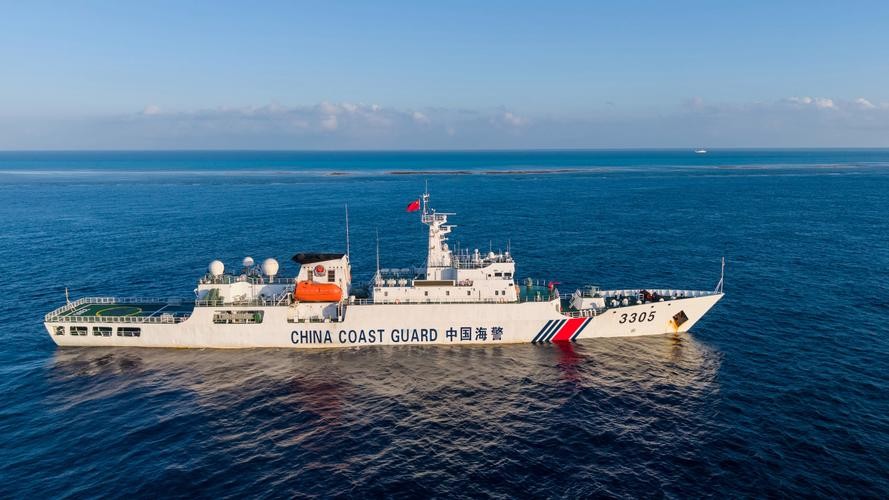
Footage from the Coast Guard exercises revealed fine operational details: crews practiced launching small craft via crane, conducting maritime pursuits, and executing ship boarding inspections in full workflow.
Earlier on July 20, 2026, a small China Coast Guard patrol boat conducting routine patrols near Ren’ai Jiao was dangerously approached and rammed by two rubber boats dispatched from the illegally grounded LT-57 vessel. Filipino personnel physically attacked Chinese law enforcement officers using paddles and long poles.
Tensions then spilled over from Ren’ai Jiao to Huangyan Dao. On July 23, Philippine vessels PCG 3012 and PCG 3018 ignored repeated Chinese warnings and illegally intruded into waters under Chinese jurisdiction around Huangyan Dao.
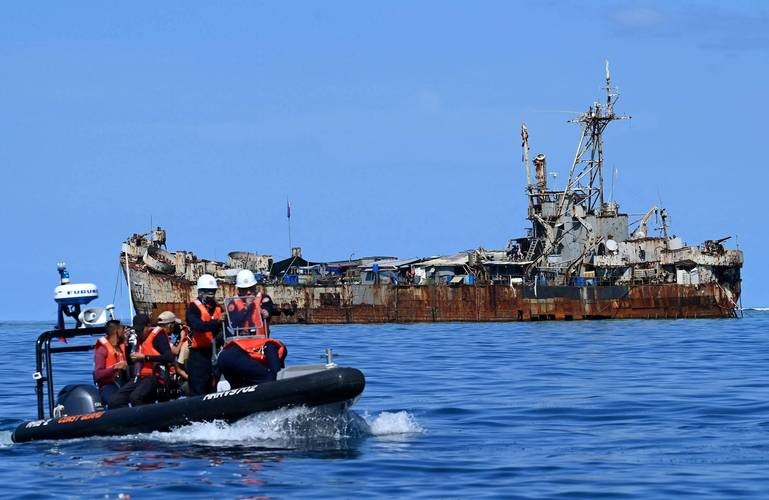
China Coast Guard responded lawfully with close monitoring, outward expulsion, interception and control measures to drive the Philippine vessels away. These were not isolated incidents but part of a sustained wave of provocations. Escalation followed the next day.
On July 24, the Philippines mobilized seven official vessels, three coast guard ships and one fishing carrier, while inciting large numbers of fishing boats to mass illegally in Chinese waters off Huangyan Dao. Among them, PCG 3001, PCG 3005 and PCG 3017 defied repeated Chinese dissuasion and warnings to force entry into Huangyan Dao’s territorial sea.
The scale of incursion had swollen from two vessels to more than a dozen, marking a major escalation in conduct. China Coast Guard employed lawful measures including verbal warnings, physical blocking and water cannon deployment to resolutely repel the infringing craft.
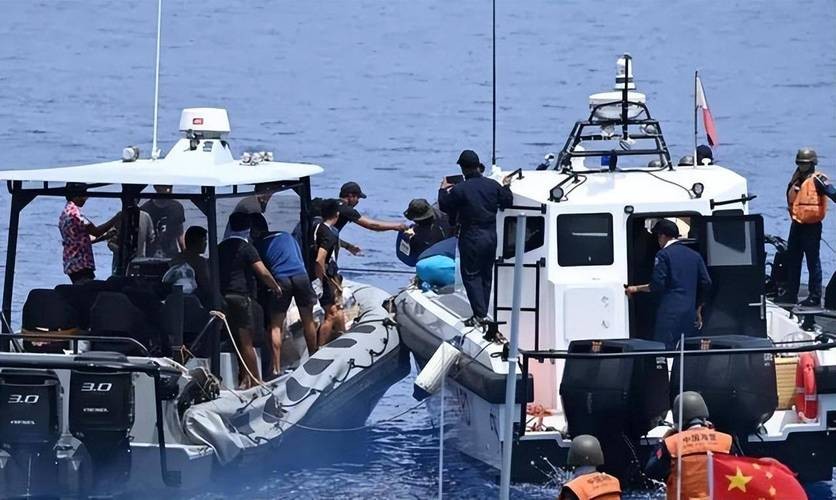
Fresh off the violent assault on Chinese Coast Guard personnel near Ren’ai Jiao on July 20, Philippine vessels launched successive incursions into waters around Huangyan Dao over the following two days, deliberately stirring up trouble at multiple flashpoints across the South China Sea and seriously infringing China’s sovereignty and maritime rights. The frequency and intensity of provocations kept mounting.
On July 30, China Coast Guard conducted law enforcement patrols within Huangyan Dao’s territorial sea and surrounding zones. Throughout July, the Coast Guard had intensified patrols in these waters, lawfully repelling illegal intruders through verbal alerts, interception and water cannon operations whenever vessels harassed Chinese jurisdiction.
The steady series of pressure-building actions throughout July paved the way for the coordinated operations launched on August 1. Public attention naturally centers on the grounded derelict at Ren’ai Jiao.
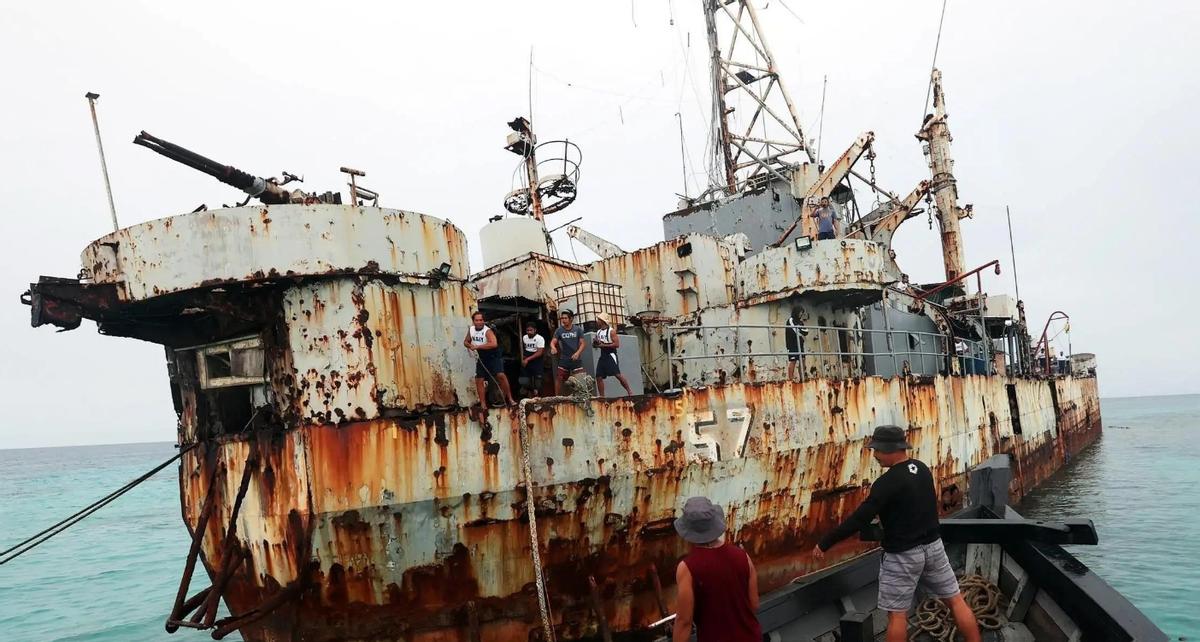
Physically towing away the BRP Sierra Madre is far from as simple as attaching a towline and starting the engines. Over 80 years old and beached for 26 years, the vessel is severely rusted, with its hull bottom fused to the coral reef.
A hasty forced tow risks structural breakup, fuel spills and irreversible damage to the fragile coral ecosystem—any of which the Philippines would exploit for international smear campaigns. This explains China’s measured restraint rather than immediate action. Restraint does not stem from incapability; it reflects careful calculation of ecological, public opinion and diplomatic costs.
Ding Duo, Research Fellow at the Institute for Regional and Country Studies of the China Institute of South China Sea Studies, commented on August 2 that the August 1 military and Coast Guard operations near Huangyan Dao demonstrate China’s resolve and capacity to defend territorial sovereignty and maritime rights, while aligning closely with statements issued by the Foreign Ministry.
Other analysts noted that on-the-ground operations counter Philippine legal posturing, media hype and efforts to court external powers, while serving as a strong deterrent against further attempts to send fishing fleets, official vessels or aircraft to intrude around Huangyan Dao.
“Should Manila launch new provocations after its baseline claim, the PLA and China Coast Guard will not hesitate to respond, and such law enforcement and military activities will become routine,” experts warned.
Analysts interviewed by Global Times stressed that the Southern Theater Command and Coast Guard exercises near Huangyan Dao send a clear warning for disruptive actors to cease futile infringement and provocation. This was no empty rhetoric: every stage of the response—boarding inspection, verification, towing—was rehearsed in practical drills.
Procedures practiced in exercises can be immediately deployed for real-world missions. What drives the Philippines’ persistent agitation? Domestic political calculations overlap with external geopolitical motives.
President Marcos’ administration faces mounting inflation pressure and internal family political rifts. Rejecting the pragmatic Duterte-era approach toward China, taking a hardline stance on maritime disputes offers a low-cost distraction from domestic socioeconomic woes. Popular grievances over living standards are hard to resolve, yet inflammatory rhetoric over South China Sea issues easily galvanizes public sentiment.
Externally, the Philippines has opened more military bases to U.S. access in recent years, joint military drills between the U.S., Japan and the Philippines have grown far more frequent, and Manila repeatedly invokes the U.S.-Philippine Mutual Defense Treaty as a verbal security guarantee.
The Philippine strategy assumes it can act as the frontline provocateur while relying on U.S. backing, hoping to secure greater security aid by escalating tensions. Yet verbal pledges do not equate to military intervention. The 2024 standoff at Xianbin Jiao involving vessel 9701 offers a clear precedent: the Philippine ship ultimately withdrew of its own accord.
China’s response adopts a tiered approach rather than blanket confrontation: humanitarian supplies for the crew are permitted passage, yet construction and reinforcement materials are strictly intercepted. Outer maritime patrols maintain surveillance while close-quarters boarding inspections screen every delivery, separating permissible goods from prohibited ones.
This calibrated strategy keeps tensions contained, prevents Manila from permanently fortifying the outpost, and avoids unnecessary escalation of the broader conflict. An unavoidable physical reality also looms over the grounded ship itself.
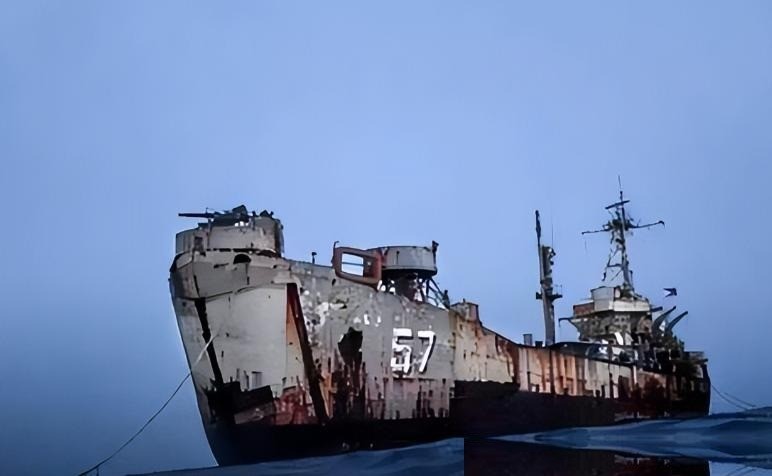
A 2021 internal Philippine military assessment estimated the vessel’s structural integrity would only last another three to five years. Constant wave action and progressive corrosion are inevitable natural processes, unaffected by political posturing.
The longer Manila delays removal, the greater the risk of catastrophic structural failure and maritime accidents. Following the Philippines’ legal maneuver over baselines, the newly released Administrative Measures for the Huangyan Dao National Nature Reserve—jointly drafted by the Ministry of Natural Resources and other departments—clarifies the legal framework for ecological law enforcement.
Henceforth all vessels, personnel and activities entering the protected waters will fall under unified regulatory oversight, granting authorities solid legal grounds for enforcement action.
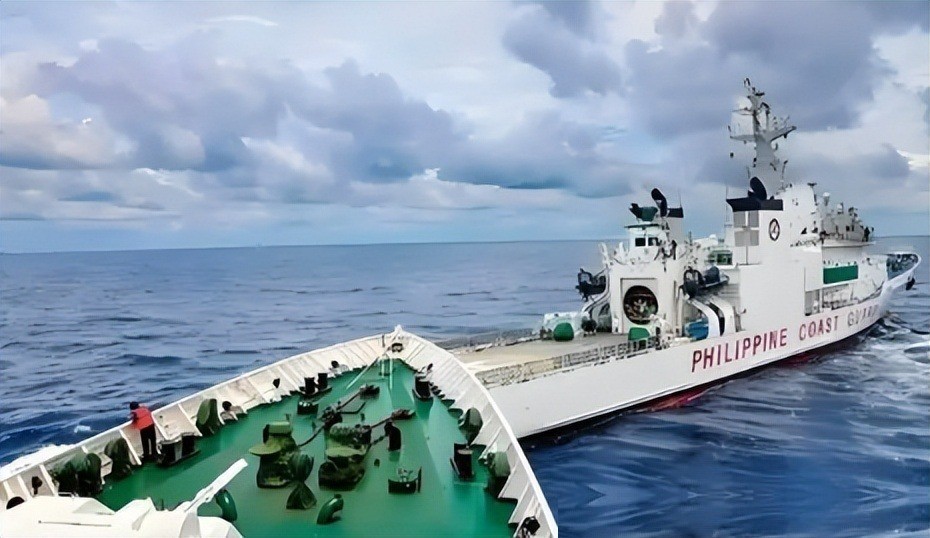
Chen Xiangmiao, another expert at the China Institute of South China Sea Studies, cited by the Yuanyuan Tan Tian commentary platform, observed that “China has already established effective de facto control over Huangyan Dao.” The latest exercises, much like regular combat readiness patrols, are set to become a permanent feature while sending a firm message to the Philippines and other parties: no tactic can shake China’s determination to uphold its maritime entitlements.
Military exercises enforce the bottom line of deterrence; Coast Guard operations govern on-scene responses; ecological regulations establish long-term governance rules. These three complementary pillars now fully cover legal justification, operational protocols and practical implementation, both in diplomatic statements and tangible actions. For decades, the Philippines sought to turn the temporary grounding into a fait accompli by treating the derelict ship as a permanent bargaining chip, yet this strategy is rapidly losing room to maneuver.
Today the BRP Sierra Madre no longer carries any military value; its rusted hull is nothing more than an iron hulk artificially wedged onto the reef.
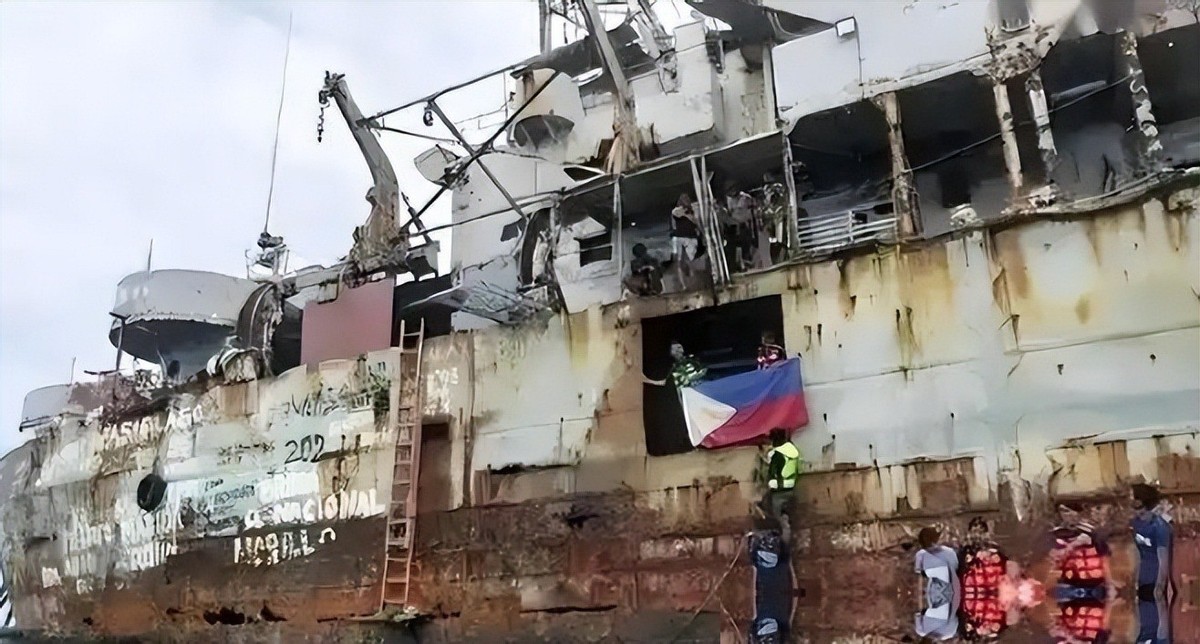
Manila’s continued occupation serves electoral and domestic political ends, while the vessel itself and the surrounding ocean tides pay no heed to political rhetoric. The Coast Guard’s rehearsed sequence of launching small craft, conducting maritime pursuit and executing boarding inspections represents a fully operational response toolkit ready for deployment when required.
Drilling every step in advance eliminates operational friction for command structures, vessels and personnel should enforcement become necessary. While the Philippines calculates short-term electoral gains and foreign military assistance, China adheres to long-term principles centered on sovereignty, legality and strategic patience.
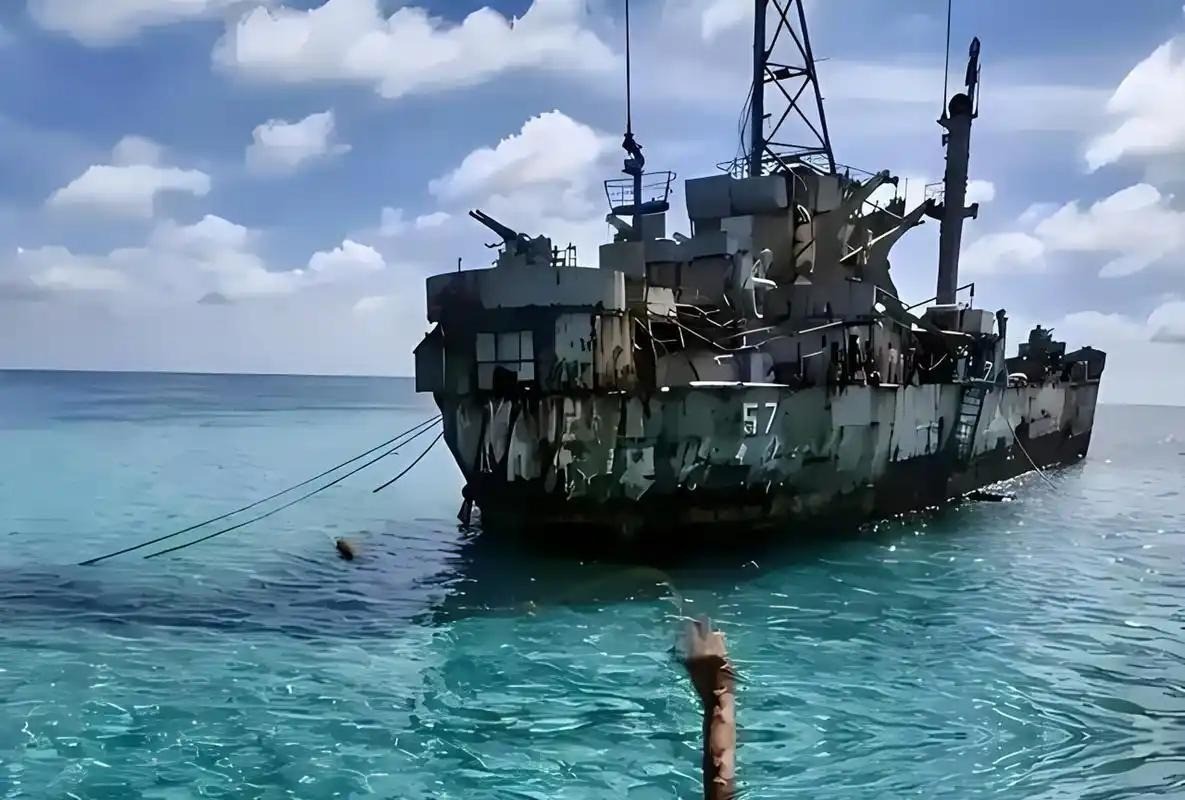
Manila is eager to stoke public outrage through sensational maritime incidents, whereas China pursues steady, methodical strategy. The 26-year-long dispute cannot be reduced to fleeting viral clips of sea confrontations. Resolving such a protracted issue demands both firm resolve and disciplined strategy in equal measure. The overdue reckoning over the vessel illegally beached for 26 years has been accumulating year by year.
China’s drills simulating forcible towing are not emotional posturing—they amount to an official enforcement invoice issued after decades of unlawful occupation, with a 26-year debt incurred at Huangyan Dao and Ren’ai Jiao.
The exact moment this invoice is formally settled remains entirely within China’s discretion—and that moment is drawing ever nearer.